

Understanding Home Remodeling Contract Termination in Massachusetts

If you’re considering home remodeling terminate contract massachusetts in Massachusetts, it’s crucial to understand your rights and the legal framework. Knowing what steps to take can prevent legal disputes and financial losses. Here’s a quick overview:
- Review Your Contract: Look for specific termination clauses.
- Ensure Legal Grounds: Confirm there’s a valid reason for termination.
- Provide Written Notice: Notify your contractor with clear reasons and termination date.
- Adhere to Cooling-Off Periods: Respect mandatory waiting times.
Now, let’s dive into why understanding these elements is so important.
Terminating a home remodeling contract isn’t just about ending an agreement; it’s about protecting your investment. Massachusetts has specific laws that ensure both homeowners and contractors are treated fairly. These regulations cover everything from contract details to necessary permits.
My name is Jason Lamprey, and with over 30 years in Massachusetts home remodeling, I’ve guided countless clients through the intricacies of contract termination.
Let’s explore what you need to know is next.
Learn more about home remodeling terminate contract massachusetts:
– home remodeling Massachusetts
– home remodeling in massachusetts permits
– home remodeling company
Legal Grounds for Termination
Terminating a home remodeling contract in Massachusetts isn’t something to take lightly. You need solid legal grounds to avoid complications. Here are the key reasons you might be able to terminate your contract:
Breach of Contract
A breach of contract occurs when one party doesn’t fulfill their obligations as agreed. For example, if your contractor fails to complete work on time or doesn’t follow the agreed specifications, you may have grounds for termination.

Example: Imagine you hired a contractor to remodel your kitchen, and they promised to finish in three months. Four months later, the work is still incomplete, and the quality is subpar. This could be considered a breach of contract, allowing you to terminate the agreement.
Non-Performance
Non-performance is when the contractor fails to perform any part of the contract. This can include not showing up to the job site, not providing materials, or failing to obtain necessary permits.
Case Study: A homeowner in Cambridge hired a contractor who stopped showing up after the initial demolition phase. Despite multiple attempts to contact the contractor, the work remained unfinished. The homeowner had the legal right to terminate the contract due to non-performance.
Legal Rights
Massachusetts law protects homeowners through statutes like M.G.L. c. 142A, which regulates home improvement contractors. This law ensures that contracts are fair and that homeowners have recourse if things go wrong.
Important Points:
- Written Notice: You must provide written notice to your contractor and engineer at least seven days before terminating the contract.
- Fair Compensation: Contractors are entitled to payment for completed and acceptable work, but not for anticipated profits or consequential damages.
- Consumer Protection: Violations of M.G.L. c. 142A can lead to penalties and even triple damages under Massachusetts General Law c. 93A.
Quote: “Upon any breach of contract, the defendant is liable for whatever damages follow as a natural consequence and the proximate result of his conduct,” according to an older Massachusetts case.
By understanding these legal grounds, you can steer the process of terminating your home remodeling contract with confidence. Next, we’ll discuss how to properly terminate a home remodeling contract in Massachusetts, including the steps you need to take and a sample termination letter.

How to Properly Terminate a Home Remodeling Contract in Massachusetts
Terminating a home remodeling contract can be tricky, but following the proper steps will help you avoid legal issues. Here’s how to do it:
Written Notice
You must provide a written notice to your contractor. This notice should explain your reasons for termination clearly and concisely. It’s crucial to keep a copy for your records.
Termination Date
Specify the termination date in your notice. This date should give the contractor enough time to wrap up any ongoing tasks and remove their materials from your property.
Reason for Termination
Clearly state the reason for termination. Whether it’s due to breach of contract, non-performance, or another valid reason, documenting this will help protect you if the contractor disputes the termination.
Cooling-Off Period
Under Massachusetts law, you have a three-day cooling-off period if you signed the contract at your home or a place other than the contractor’s office. This means you can cancel the contract within three business days without any penalty.
Sample Termination Letter
Here’s a simple template you can use to terminate a home remodeling contract:
[Your Name]
[Your Address]
[City, State, ZIP Code]
[Email Address]
[Phone Number]
[Date]
[Contractor’s Name]
[Contractor’s Business Name]
[Contractor’s Address]
[City, State, ZIP Code]
Subject: Termination of Home Remodeling Contract
Dear [Contractor’s Name],
I am writing to formally notify you of the termination of our home remodeling contract dated [Contract Date]. The termination is effective as of [Termination Date].
Reason for Termination:
[Clearly state the reason for termination, e.g., breach of contract due to incomplete work, non-performance, etc.]
As per the terms of our contract and in compliance with Massachusetts law, I request that you cease all work immediately and remove any materials and equipment from my property by [Termination Date].
Please provide an itemized statement of all work completed and materials used up to the termination date. I will ensure that payment is made for all completed and acceptable work as per our agreement.
Thank you for your attention to this matter.
Sincerely,
[Your Name]
Key Elements of the Letter
- Your Contact Information: Make it easy for the contractor to reach you.
- Contractor’s Details: Clearly identify the contractor.
- Subject Line: Make the purpose of the letter clear.
- Effective Date: Specify when the termination takes effect.
- Reason for Termination: State the reason clearly.
- Next Steps: Outline what you expect the contractor to do next, such as removing materials and providing an itemized statement.
- Signature: Sign the letter to make it official.
By following these steps and using the sample letter, you can terminate your home remodeling contract in Massachusetts properly and legally.
Next, let’s dive into the specifics of the Massachusetts Home Improvement Contractor Law (M.G.L. c. 142A) and what it means for you.
Massachusetts Home Improvement Contractor Law (M.G.L. c. 142A)
If you’re dealing with home remodeling in Massachusetts, understanding the Massachusetts Home Improvement Contractor Law (M.G.L. c. 142A) is crucial. This law is designed to protect both homeowners and contractors from unfair practices and disputes. Let’s break down the key contract provisions you need to know.
Contract Requirements
For any home improvement contract over $1,000, Massachusetts law requires that certain information be included in the contract. This helps prevent misunderstandings and legal issues down the line.
Consumer Protection
Violating M.G.L. c. 142A is also considered a violation of the Massachusetts Consumer Protection Act (M.G.L. c. 93A). This means contractors who don’t comply can face triple damages, attorney’s fees, and court costs. So, it’s in everyone’s best interest to follow the rules.
Penalties for Non-Compliance
Non-compliance can lead to severe penalties. Not only can homeowners sue for damages, but contractors may also lose their licenses and face financial penalties. Ignoring these regulations can be very costly.
Key Contract Provisions
Identifying Information
The first page of the contract must include:
- Contractor’s Home Improvement Contractor number
- Construction Supervisor License number
- Contractor’s name and business name
- Federal Employment ID Number or Social Security number
- Phone number
- Physical address (no P.O. Boxes)
- Name of any salesperson involved
- Date the contract was signed
Description of Work
The contract must have a detailed description of the work to be done, including:
- Materials to be used
- Any additional documents like plans or material lists
This ensures that both parties have a clear understanding of what the project entails.
Payment Schedule
The contract should outline the payment schedule. By law, you cannot require a deposit of more than one-third of the total contract price, except for custom-made materials. For example, if your contract is $15,000, the maximum deposit you can ask for is $5,000.
Permits
Contractors are usually responsible for obtaining necessary permits. The contract should:
- List all required permits
- State that the contractor will obtain them
If the homeowner decides to get their own permits, they won’t be eligible for the Guaranty Fund established by M.G.L. c 142A, § 5.
Notices
Several notices must be included in the contract:
- 3-Day Cancellation Notice: Homeowners can cancel the contract within three business days.
- Registration Notice: Informing that all contractors and subcontractors must be registered and how to verify this.
- Warranties and Liens: Details about any warranties and whether any lien or security interest has been placed on the property.
By including these elements, you ensure that the contract is legally compliant and protects both parties.
Next, we’ll explore cooling-off periods and exceptions, including door-to-door sales and other specific cases.
Cooling-Off Periods and Exceptions
When it comes to terminating a home remodeling contract in Massachusetts, understanding cooling-off periods and their exceptions is essential. These periods give consumers a chance to reconsider their decisions and cancel contracts without penalties. Let’s discuss the key scenarios where cooling-off periods apply and the specific exceptions you should know about.
Door-to-Door Sales
If you signed a home remodeling contract as a result of a door-to-door sales pitch, you have a three-day cooling-off period to cancel the contract. This rule is designed to protect consumers from high-pressure sales tactics that can occur in such situations.
Example: Imagine a contractor shows up at your door and convinces you to sign a $5,000 contract for roof repairs. You later realize this was a hasty decision. Massachusetts law gives you three business days to cancel this contract without any penalties.
Health Club Contracts
Although not directly related to home remodeling, it’s worth noting that health club contracts also have a cooling-off period. You have three days to cancel these contracts after signing, which can be useful if you feel pressured into joining a gym.
Time Shares
Time shares are another area where cooling-off periods apply. In Massachusetts, you have five days to cancel a time share contract after signing. This law helps protect consumers from the often aggressive sales tactics used in the time share industry.
Credit Repair Services
Credit repair services also fall under the cooling-off period rules. If you sign a contract for credit repair services, you have three days to cancel. This ensures you have time to reconsider if the service is right for you.
Important Note: These cooling-off periods are not applicable to all contracts. For instance, if you sign a home remodeling contract at the contractor’s business office, the three-day cooling-off period does not apply. Always read your contract carefully to understand your rights and any exceptions that may apply.
By being aware of these cooling-off periods and exceptions, you can make more informed decisions and protect yourself from rushed or pressured commitments.
Next, we’ll tackle some frequently asked questions about terminating a home remodeling contract in Massachusetts.
Frequently Asked Questions about Terminating a Home Remodeling Contract in Massachusetts
How do you politely terminate a contract with a contractor?
Terminating a home remodeling contract in Massachusetts requires careful steps to ensure it’s done respectfully and legally.
1. Written Notice: Always provide a written notice to your contractor. This makes the termination official and documented.
2. Respectful Language: Use polite and professional language. Start with a greeting, state your reason clearly, and end with a thank you.
3. Clear Reason: Be specific about why you’re terminating the contract. Whether it’s due to delays, unsatisfactory work, or a change in plans, clarity helps avoid misunderstandings.
Example: “Dear [Contractor’s Name], I regret to inform you that I must terminate our home remodeling contract due to unforeseen personal circumstances. I appreciate the work you have done so far and will ensure all outstanding payments are settled promptly. Thank you for your understanding.”
What is the contractor payment law in Massachusetts?
Massachusetts has specific laws to protect both contractors and homeowners regarding payments.
Prompt Pay Law: This law ensures that contractors and subcontractors get paid on time. Payments for work completed must be made within 30 days of the invoice date.
Progress Payments: For larger projects, payments are often made in stages. Each payment corresponds to a completed phase of the project. This ensures that the contractor gets paid for the work done and the homeowner only pays for completed work.
Invoice Approval: Contractors must provide detailed invoices for the work completed. Homeowners have the right to review and approve these invoices before making payments.
What is the statute of limitations on a contract in Massachusetts?
In Massachusetts, the statute of limitations for a breach of contract is six years. This means you have six years from the date of the breach to file a legal claim.
Breach of Contract: If either party fails to fulfill their contractual obligations, it constitutes a breach of contract. For example, if a contractor fails to complete the work as agreed upon, the homeowner can claim a breach.
Legal Claims: If you believe a breach has occurred, you can file a lawsuit within six years to seek damages or other remedies. Keeping detailed records of your contract, communications, and payments will support your case.
By understanding these key aspects, you can steer the complexities of terminating a home remodeling contract in Massachusetts with confidence.
Next, we’ll discuss the benefits of professional home contractors for your project.
Conclusion
Terminating a home remodeling contract in Massachusetts can be a complex process, but understanding the legal requirements and following the correct procedures can make it manageable.
Summary
In Massachusetts, it’s crucial to use a licensed contractor and have a detailed written contract for any home improvement project over $1,000. Knowing your rights and obligations under the Massachusetts Home Improvement Contractor Law (M.G.L. c. 142A) can protect you from potential issues.
If termination becomes necessary, ensure you provide a written notice, use respectful language, and state the reason clearly. You have six years to file a claim if there’s a breach of contract.
Square One Contracting
At Square One Contracting, we prioritize your satisfaction and aim for seamless project execution. With over 30 years of experience in home improvement, including bathroom and kitchen renovations, we ensure professionalism, cleanliness, and excellent communication.
Our team is well-versed in Massachusetts laws and committed to changing your ideas into reality. We handle all necessary permits and provide clear, detailed contracts to prevent misunderstandings and protect your interests.
Professional Advice
If you’re unsure about any aspect of your home remodeling contract or need to terminate it, consulting with a professional can provide clarity. Legal experts specializing in construction law can review your contract and guide you through the termination process.
Customer Satisfaction
Customer satisfaction is at the heart of what we do at Square One Contracting. Our goal is to make your home improvement experience as smooth and stress-free as possible. As one of our clients, Jane D., said:
“Square One Contracting transformed my outdated kitchen into a modern masterpiece. The team was professional, efficient, and attentive to my needs. I couldn’t be happier with the results!”
By choosing Square One Contracting, you’re not just hiring a contractor; you’re partnering with a team dedicated to bringing your vision to life with precision and care.
For more information on how we can help with your home remodeling project, visit our Home Remodeling Services in Massachusetts.
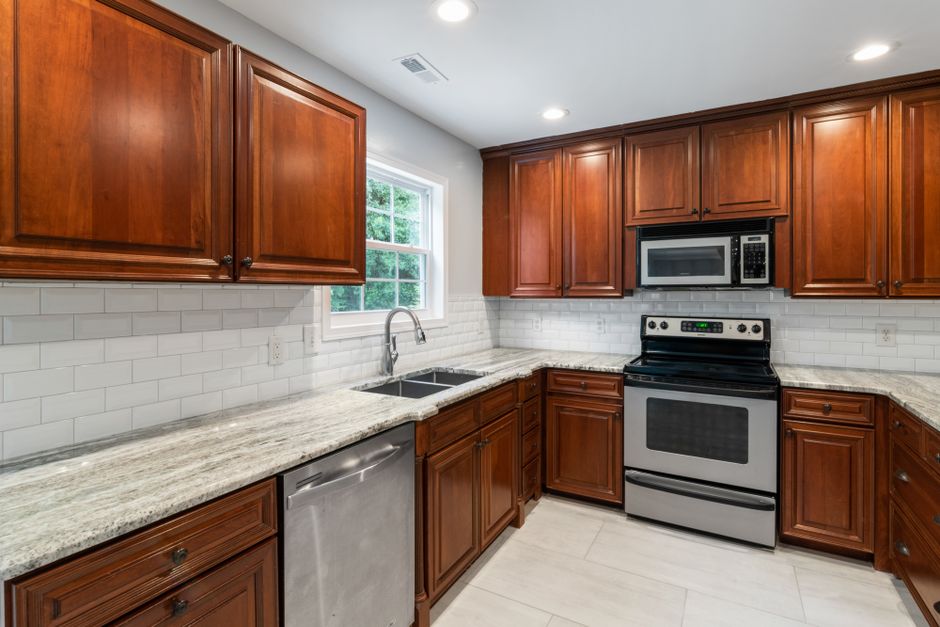
By understanding your rights and working with trusted professionals, you can steer the complexities of home remodeling and achieve the results you desire.


