

Why Eco-Friendly Renovations Are Crucial for Your Home
Eco-friendly renovations provide an opportunity to make your home more sustainable while saving on energy costs and contributing positively to the environment. Whether you’re considering installing solar panels or upgrading to energy-efficient windows, these eco friendly home improvements can significantly cut down on your carbon footprint and make your living space healthier and more comfortable.
To get straight to the point, here are some quick ideas you can implement immediately:
- Install solar panels for renewable energy.
- Switch to LED lighting for better efficiency.
- Upgrade your windows to dual-paned, energy-efficient versions.
- Use low-flow plumbing fixtures to save water.
Eco-friendly renovations not only help combat climate change but also boost energy efficiency and improve your home’s market value.
I’m Jason Lamprey, a veteran in the construction industry with over three decades of experience. Specializing in eco-friendly renovations at Square One Contracting, I’m here to help you turn your home into an eco-friendly haven while enhancing its functionality and aesthetics. Let’s explore how sustainable architecture and eco-friendly home improvements can transform your home.
Simple guide to eco-friendly renovations words:
- before and after eco friendly home renovations
- eco friendly bathroom renovation
- eco friendly kitchen renovation
What is Eco-Friendly Renovation?
Eco-friendly renovation is all about making changes to your home that are good for the environment and improve your quality of life. It involves using sustainable materials, reducing waste, and saving energy and water.
Definition
Eco-friendly renovation means updating your home in ways that minimize harm to the environment. This can include everything from installing energy-efficient appliances to using recycled materials. The goal is to create a home that is both comfortable and sustainable. Incorporating eco-friendly home improvements such as renewable energy sources or advanced insulation can further reduce environmental impact.
Goals
The main goals of eco-friendly renovations are:
- Reduce carbon emissions: Lowering the amount of greenhouse gases your home produces.
- Save energy and water: Using resources more efficiently to cut down on waste.
- Improve indoor air quality: Eliminating harmful chemicals and pollutants from your home.
- Increase property value: Making your home more attractive to buyers who value sustainability through targeted eco-friendly home improvements.
Benefits
Eco-friendly renovations come with a lot of perks:
- Lower energy bills: Energy-efficient upgrades like solar panels and LED lighting can save you money.
- Tax deductions: You can get tax breaks for some eco-friendly upgrades.
- Increased home value: Green-certified homes often sell for more.
- Healthier living environment: Reducing harmful chemicals improves indoor air quality and overall health.
Environmental Impact
Eco-friendly renovations have a positive impact on the environment:

- Less waste: Using recycled and upcycled materials reduces the amount of waste going to landfills.
- Lower energy consumption: Energy-efficient homes use less power, which means fewer fossil fuels are burned.
- Conservation of natural resources: Sustainable materials like bamboo and cork grow quickly and are renewable.
Resource Efficiency
Being resource-efficient means making the most of what you have:
- Use of renewable materials: Materials like bamboo and hemp are not only sustainable but also durable.
- Water-saving techniques: Installing low-flow fixtures and rainwater collection systems helps conserve water.
- Energy-efficient upgrades: Features like tankless water heaters and programmable thermostats save energy while supporting eco friendly home improvements.
Eco-friendly renovations are not just a trend; they are a smart investment for the future. By making these changes, you contribute to a healthier planet and a more sustainable lifestyle.

Next, we will dig into the benefits of eco-friendly renovations and how they can transform your living space for the better.
Benefits of Eco-Friendly Renovations
Eco-friendly renovations significantly lower your home’s carbon footprint. Installing energy-efficient appliances, using sustainable materials, and optimizing insulation can drastically reduce greenhouse gas emissions. According to the U.S. Department of Energy, upgrading to dual-paned windows can cut home energy waste by about 25%. This means less fossil fuel is burned, contributing to a healthier planet.
Energy Savings
One of the biggest perks of eco-friendly renovations is the potential for huge energy savings. Switching to LED light bulbs can reduce your lighting energy use by up to 75%. Installing solar panels can also cut your electricity bills significantly. In sunny states like Nevada, solar panels can be particularly effective, offering a great return on investment. The savings on your energy bills can quickly add up, making your home more economical to run.
Water Conservation
Water conservation is another key benefit of eco-friendly renovations. Low-flow plumbing fixtures and dual-flush toilets can reduce your water usage without sacrificing performance. WaterSense labeled products can save the average family 700 gallons of water per year. Additionally, rainwater collection systems and gray water recycling can help you use water more efficiently, further reducing waste.
Improved Indoor Air Quality
Eco-friendly renovations can also improve the air quality inside your home. Using VOC-free paints and finishes eliminates harmful chemicals that can cause headaches, nausea, and other health issues. Improved air quality means a healthier living environment for you and your family. Brands like Benjamin Moore offer no-VOC options that are just as durable and vibrant as traditional paints.
Increased Property Value
Eco-friendly homes are not just good for the environment; they are also a smart financial investment. Homes with green certifications often sell for more. Features like energy-efficient windows, solar panels, and smart home systems make your property more attractive to buyers who value sustainability.
Sustainable Building Materials
Choosing the right materials is key to making your home eco-friendly. Let’s explore some of the best sustainable building materials available today.
Bamboo
Bamboo is often called a “super material” for good reason. It’s versatile and grows very quickly. Some species of bamboo can grow up to 35 inches per day! This makes it a highly renewable resource. It’s used in flooring, decking, and even furniture. Companies like BamCore are using bamboo to frame houses, offering a durable and eco-friendly alternative to traditional wood.
Hemp
Hemp is another fantastic option. It’s strong, lightweight, and grows rapidly without the need for pesticides. Hempcrete, made from hemp, lime, and water, is an excellent building material. It’s breathable, insulating, and carbon-negative, meaning it absorbs more CO2 than it emits during production. This makes hemp a stellar choice for sustainable construction and a cornerstone of eco friendly home improvements.
Cork
Cork is harvested from the bark of cork oak trees, which can regenerate every 9 years. This makes cork a highly renewable resource. It’s used in flooring and wall coverings and offers excellent thermal and acoustic insulation. Plus, it’s naturally resistant to mold, mildew, and pests, making it a healthy choice for your home.
Flax and Soy
Flax and soy are plant-based materials used in various sustainable products. Flax fibers can be used in insulation and composite materials, while soy is often used to create eco-friendly adhesives and foams. These materials are biodegradable and have a lower environmental impact compared to their synthetic counterparts.
Recycled and Upcycled Materials
Using recycled and upcycled materials is a great way to reduce waste and lower the environmental impact of your renovation. Reclaimed wood, recycled glass tiles, and upcycled metal components can add unique character to your home while being kind to the planet. For example, companies like CertainTeed use recycled glass in their insulation products, meeting the EPA’s Recovered Material Guidelines.
Eco-Friendly Insulation
Insulation is crucial for energy efficiency, but not all insulation is created equal. Look for options made from recycled materials or natural fibers. Recycled cotton and cellulose insulation are made from up to 80% recycled content. These materials not only save resources but also improve your home’s energy efficiency. Additionally, they are free of VOCs and toxins, making them healthier for indoor air quality and essential for eco friendly home improvements.
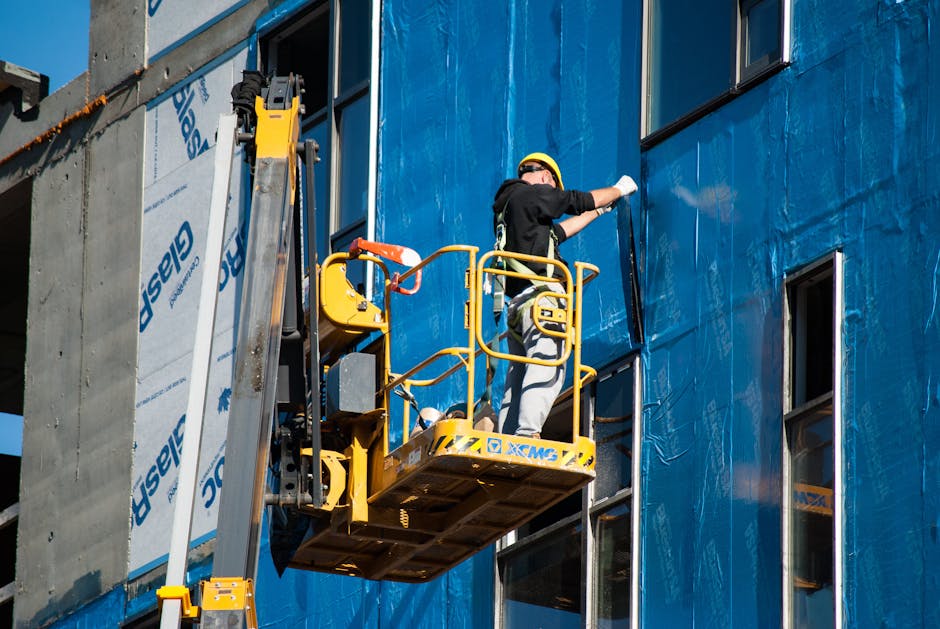
Using sustainable building materials can drastically reduce your home’s environmental impact. Whether you’re renovating or building from scratch, these eco-friendly options can help you create a healthier and more sustainable living space.
Next, we will discuss energy-efficient upgrades that can further improve the eco-friendliness of your home.
Energy-Efficient Upgrades
Upgrading your home with energy-efficient options is a smart move for both the environment and your wallet. Here are some effective ways to make your home more energy-efficient:
Solar Panels
Solar panels are a popular choice for homeowners looking to reduce their reliance on non-renewable energy. According to the U.S. Office of Energy Efficiency & Renewable Energy, solar power can significantly cut greenhouse gas emissions and lower your energy bills. Although the average cost to install solar panels is around $16,000, they can pay for themselves in energy savings within 10 years. Plus, homes with solar panels often sell for more, making them a worthwhile investment.
LED Lighting
Switching to LED light bulbs is one of the easiest and most cost-effective eco-friendly renovations you can make. LED bulbs use up to 90% less energy than traditional incandescent bulbs and can save the average household about $225 per year. They also last much longer, reducing the need for frequent replacements.
Energy-Saving Appliances
Modern appliances are far more energy-efficient than their older counterparts. When shopping for new appliances, look for the Energy Star label, which indicates that the appliance meets strict energy efficiency guidelines set by the U.S. Department of Energy. Energy-efficient appliances not only reduce your energy consumption but also help lower your utility bills.
Programmable Thermostats
Programmable thermostats are a must-have for any energy-efficient home. They allow you to set schedules for heating and cooling, ensuring that your HVAC system isn’t working harder than it needs to. The U.S. Department of Energy states that you can save up to 10% a year on heating and cooling by adjusting your thermostat by 7°-10°F for eight hours a day.
Low-E Windows
Low-E (low-emissivity) windows are designed to minimize the amount of ultraviolet and infrared light that passes through the glass without compromising the amount of visible light. These windows help keep your home warmer in the winter and cooler in the summer, reducing the need for heating and cooling. According to the U.S. Department of Energy, about 25% of home energy is wasted through windows, making Low-E windows a crucial upgrade.
Tankless Water Heaters
Unlike traditional water heaters that continuously heat and store water, tankless water heaters heat water on demand as it passes through the unit. This makes them far more energy-efficient. For homes that use less than 41 gallons of hot water daily, tankless water heaters can be 24%-34% more efficient. Even for homes that use more, they are still 8%-14% more efficient. Although they come with a higher upfront cost, the energy savings and longer lifespan can offset this expense over time.
By incorporating these energy-efficient upgrades into your home, you can significantly reduce your carbon footprint, save on utility bills, and increase your property’s value. Next, we will explore water conservation techniques to make your home even more sustainable.
Water Conservation Techniques
Water conservation is crucial for creating a sustainable home. Here are some effective eco-friendly renovations to help you save water and reduce your utility bills.
Low-Flow Plumbing Fixtures
Low-flow plumbing fixtures are designed to use less water without compromising performance. Federally mandated by the Energy Policy Act of 1992, these fixtures can save significant water. According to the U.S. Department of Energy, low-flow fixtures can save 25%-60% of water usage. Look for WaterSense labeled products, which ensure efficiency and performance.
- Faucets: Low-flow faucets use a maximum of 1.5 gallons per minute, reducing water use by 30%.
- Showerheads: Low-flow showerheads use no more than 2.0 gallons per minute. There are two types: laminar flow and aerating. Both provide a satisfying shower while conserving water.
Dual-Flush Toilets
Toilets account for up to 30% of household water use, with some models wasting more than 13 liters per flush. Dual-flush toilets offer two flushing options: one for liquid waste (using about 0.8 gallons) and one for solid waste (using about 1.6 gallons). This flexibility can save thousands of gallons of water annually and up to $140 in savings each year, making them a practical and essential eco-friendly home improvement.
Rainwater Collection
Rainwater collection systems capture and store rainwater for non-potable uses like irrigation and toilet flushing. This method conserves fresh water and reduces your water bills. Setting up a rainwater collection system involves installing gutters and downspouts to direct rainwater into a storage tank. The collected water can then be used for various household needs, offering another valuable eco-friendly home improvement solution.
Gray Water Recycling
Gray water recycling systems reuse water from sinks, showers, and washing machines for irrigation and toilet flushing. This water, while not potable, is perfect for watering plants and maintaining a green yard. According to Greywater Action, gray water systems can save thousands of gallons of fresh water each year. Installing a gray water system involves routing drain water to a holding tank and then distributing it to your garden.
By incorporating these water conservation techniques, you can significantly reduce your water usage, lower your utility bills, and contribute to a more sustainable environment. Next, we will explore passive design strategies to further improve your home’s sustainability.
Passive Design Strategies
Passive design strategies are all about using your home’s natural surroundings and features to regulate temperature and light, reducing the need for artificial heating, cooling, and lighting. Let’s explore some key strategies:
Home Layout
The orientation of your home can make a huge difference in energy efficiency. For example, positioning your living room to face south can maximize sunlight and heat during winter. This helps reduce heating costs. Similarly, placing bedrooms on the east side can ensure they catch the morning light, making them warmer and more inviting.
Natural Light
Maximizing natural light not only reduces the need for artificial lighting but also creates a healthier living environment. Large windows and open floor plans can help distribute natural light throughout your home. According to Timothy Corrigan, a Los Angeles-based interior designer, skylights are another great option. They bring in plenty of natural light and can be improved with LED lights for nighttime use.
Skylights
Skylights can flood your home with natural light, reducing your dependence on electric lighting. To avoid creating a “black hole” effect at night, Timothy Corrigan suggests adding LED lights in the skylight shaft. You can also cover the opening with an opaque filter to create soft, diffused lighting.
Exterior Color
The color of your home’s exterior can impact its internal temperature. Light-colored exteriors reflect heat, keeping your home cooler in warm climates. Conversely, dark exteriors absorb heat, making them ideal for colder climates. This simple change can help reduce your reliance on heating and cooling systems.
Landscaping
Strategically placed trees and plants can provide natural cooling and heating benefits. Deciduous trees, which shed their leaves in winter, are perfect for planting on the south and west sides of your home. They offer shade during the summer and let in sunlight during the winter. A green roof can also help keep your home cool by providing insulation and reducing heat absorption.
Deciduous Trees
Deciduous trees are a fantastic way to improve your home’s energy efficiency. They provide shade in the summer, which can lower cooling costs, and shed their leaves in the winter, allowing more sunlight to warm your home. Planting them on the south and west sides of your home is most effective, further emphasizing the impact of eco friendly home improvements.
Green Roofs
Green roofs are not only aesthetically pleasing but also functional. They provide insulation, reduce heat absorption, and help manage stormwater. In a historic home renovation in Minneapolis, a green roof was added to improve the home’s sustainability and beauty. This feature, along with a rain garden, helped the home achieve a significant reduction in its Home Energy Rating System (HERS) score.
By incorporating these passive design strategies, you can create a more energy-efficient and comfortable home. Next, we’ll explore adaptive and modular spaces that can further improve your home’s sustainability.
Adaptive and Modular Spaces
Adaptive and modular spaces are all about flexibility and efficiency. They make the most of limited resources and space while offering unique, sustainable living solutions. Let’s explore some innovative options:
Tiny Homes
Tiny homes are small but mighty when it comes to sustainability. These compact dwellings use fewer materials and less energy. They’re perfect for those looking to minimize their environmental footprint.
- Energy Efficiency: Due to their small size, tiny homes require less energy for heating and cooling.
- Cost Savings: Lower utility bills and reduced maintenance costs make tiny homes an economical choice.
- Minimalist Lifestyle: Living in a tiny home encourages a simpler, clutter-free lifestyle.
Micro-Apartments
Micro-apartments are small, efficient living spaces perfect for urban areas. These apartments typically range from 200 to 400 square feet but are designed to maximize every inch.
- Smart Design: Features like multi-functional furniture and built-in storage help make the most of limited space.
- Urban Living: Located in city centers, micro-apartments reduce the need for long commutes, cutting down on transportation emissions.
- Affordability: Smaller spaces mean lower rent and utility costs, making city living more accessible.
Shipping Container Homes
Shipping container homes repurpose old shipping containers into stylish, eco-friendly dwellings. These homes are gaining popularity for their durability and unique aesthetic.
- Recycling: Using shipping containers reduces the need for new building materials, cutting down on waste.
- Durability: Containers are built to withstand harsh conditions, making them a sturdy choice for housing.
- Customization: Containers can be stacked and arranged in various configurations, allowing for creative and personalized designs.
Floating Architecture
Floating architecture offers innovative solutions for living on water. These structures are designed to be resilient and adaptable to rising sea levels and other environmental challenges.
- Waterfront Living: Floating homes provide a unique lifestyle with stunning water views and direct access to aquatic activities.
- Sustainability: Many floating homes incorporate green technologies like solar panels and rainwater collection systems.
- Space Efficiency: By utilizing water bodies, floating architecture helps alleviate land scarcity in densely populated areas.
By embracing adaptive and modular spaces, you can create a flexible, efficient, and sustainable living environment. Next, we’ll explore the incorporation of plants and nature to further improve your home’s eco-friendliness.
Incorporation of Plants and Nature
Incorporating plants and nature into your home design isn’t just about aesthetics. It’s a powerful way to boost sustainability and well-being. Let’s dive into some innovative ideas that can transform your living space.
Living Walls
Living walls, also known as green walls, are vertical gardens that can be installed indoors or outdoors. They not only look stunning but also improve air quality and provide insulation.
- Air Quality: Plants filter out pollutants and release oxygen, creating a healthier indoor environment.
- Insulation: Living walls can help regulate indoor temperatures, reducing the need for heating and cooling.
- Aesthetic Appeal: They add a vibrant, natural element to any space, enhancing visual appeal.
Green Roofs
A green roof is a layer of vegetation planted over a waterproofing system installed on top of a flat or slightly sloped roof. They offer numerous environmental and economic benefits.
- Temperature Regulation: Green roofs provide natural insulation, keeping your home cooler in the summer and warmer in the winter.
- Stormwater Management: They absorb rainwater, reducing runoff and lowering the risk of flooding.
- Biodiversity: Green roofs can create habitats for local wildlife, promoting biodiversity in urban areas.
Tree-Covered Towers
Tree-covered towers take green architecture to new heights. These residential towers are designed with trees and shrubs integrated into balconies and terraces.
- Urban Greening: These towers bring greenery into densely populated areas, improving air quality and reducing the urban heat island effect.
- Noise Reduction: The vegetation helps to muffle city noise, creating a quieter living environment.
- Aesthetic Beauty: They offer a striking visual contrast to traditional concrete and steel buildings, enhancing the cityscape.
Native Plants
Using native plants in your landscaping is a smart and sustainable choice. These plants are adapted to the local climate and soil, making them easier to maintain and more eco-friendly.
- Low Maintenance: Native plants require less water, fertilizer, and pest control, saving you time and resources.
- Support Local Wildlife: They provide food and habitat for local birds, insects, and other wildlife.
- Erosion Control: Native plants help prevent soil erosion, protecting the landscape.
Biophilic Design
Biophilic design integrates natural elements into the built environment, creating spaces that promote health and well-being.
- Natural Light: Maximizing natural light reduces the need for artificial lighting and improves mood and productivity.
- Natural Materials: Using materials like wood, stone, and bamboo creates a calming, organic feel.
- Water Features: Incorporating water elements, such as fountains or aquariums, adds tranquility and improves the sensory experience.
By embracing these eco-friendly renovations, you can create a home that not only looks beautiful but also supports a healthier, more sustainable lifestyle. Next, we’ll answer some frequently asked questions about eco-friendly renovations.
Frequently Asked Questions about Eco-Friendly Renovations
What is the most environmentally friendly house to build?
When it comes to building an environmentally friendly house, several options stand out for their sustainability and efficiency.
- Zero-Carbon Homes: These homes are designed to produce as much energy as they consume, often through solar panels and advanced insulation techniques. They can significantly reduce your carbon footprint.
- Prefab Homes: Built in factories, prefab homes minimize waste and can be customized to be very eco-friendly. They are efficient in both construction and energy use.
- Tiny Homes: With a smaller footprint, tiny homes use fewer materials and less energy, making them a great option for reducing environmental impact.
- Shipping Container Homes: These homes repurpose old shipping containers, reducing the need for new building materials and offering a unique, industrial aesthetic.
- Bioclimatic Homes: Designed to work with the local climate, these homes use natural ventilation and sunlight to maintain comfortable temperatures, reducing the need for artificial heating and cooling.
- Passive Homes: These homes use design elements like thick insulation and triple-glazed windows to maintain a stable indoor temperature without relying heavily on heating or cooling systems.
- Earth Domes: Made from natural materials like earth and sand, earth domes are incredibly durable and have excellent thermal properties.
- Airtight Homes: Homes that are airtight have minimal air leakage, which improves energy efficiency and reduces heating and cooling costs.
How do I build a cheap eco-friendly house?
Building an eco-friendly house doesn’t have to break the bank. Here are some budget-friendly tips:
- Salvaged Materials: Reusing materials like reclaimed wood or recycled metal can save money and reduce waste.
- Smaller Home: A smaller footprint means fewer materials and less energy needed for heating and cooling.
- Solar Energy: Investing in solar panels can be costly upfront but will save you money on energy bills in the long run. Plus, you may qualify for tax credits.
- Water-Saving Techniques: Install low-flow plumbing fixtures and dual-flush toilets to conserve water and reduce utility bills.
- Energy-Efficient Appliances: Choose appliances with high Energy Star ratings to cut down on energy use and costs over time.
- Recycling Construction Extras: Use leftover materials from other projects or buy recycled options to keep costs down and reduce waste.
What is eco-friendly in construction?
Eco-friendly construction focuses on reducing the environmental impact and using resources efficiently. Here are some key elements:
- Smaller Environmental Impact: Using sustainable materials and methods to minimize the carbon footprint of the construction process.
- Resource Efficiency: Utilizing materials that are renewable, recycled, or upcycled to reduce waste and conserve resources.
- Smart Resource Use: Implementing techniques like rainwater harvesting and greywater recycling to make the most of natural resources.
By focusing on these aspects, you can achieve eco-friendly renovations that are both sustainable and cost-effective.
Conclusion
At Square One Contracting, we believe that sustainable home improvement is not just a trend, but a commitment to a better future. Our goal is to help you transform your home into a space that is not only beautiful but also kind to the planet.
Customer satisfaction is at the heart of everything we do. From the initial consultation to the final touches, we prioritize your vision and needs. Our team is dedicated to making your dream home a reality while ensuring that every step of the process is as smooth and stress-free as possible.
We understand that changing ideas into reality can be challenging, but with our expertise and passion for eco-friendly renovations, we make it achievable. Whether you’re looking to install solar panels, upgrade to energy-efficient appliances, or incorporate sustainable building materials, we have the knowledge and experience to guide you through every decision.
Thank you for considering Square One Contracting for your eco-friendly renovation needs. Together, we can create homes that are not only beautiful and functional but also sustainable and environmentally responsible. Let’s build a greener future, one home at a time.
For more information on how we can help you with your eco-friendly renovation, visit our website or contact us directly. We look forward to working with you!


